By Ava Ahrens
This fall, students in the Therapeutic Recreation (TR) program turned classroom knowledge into a hands-on experience through a new practicum at the National Disabled Veterans Golf Clinic (NDVGC) held Sept. 7–11 in Riverside, IA.
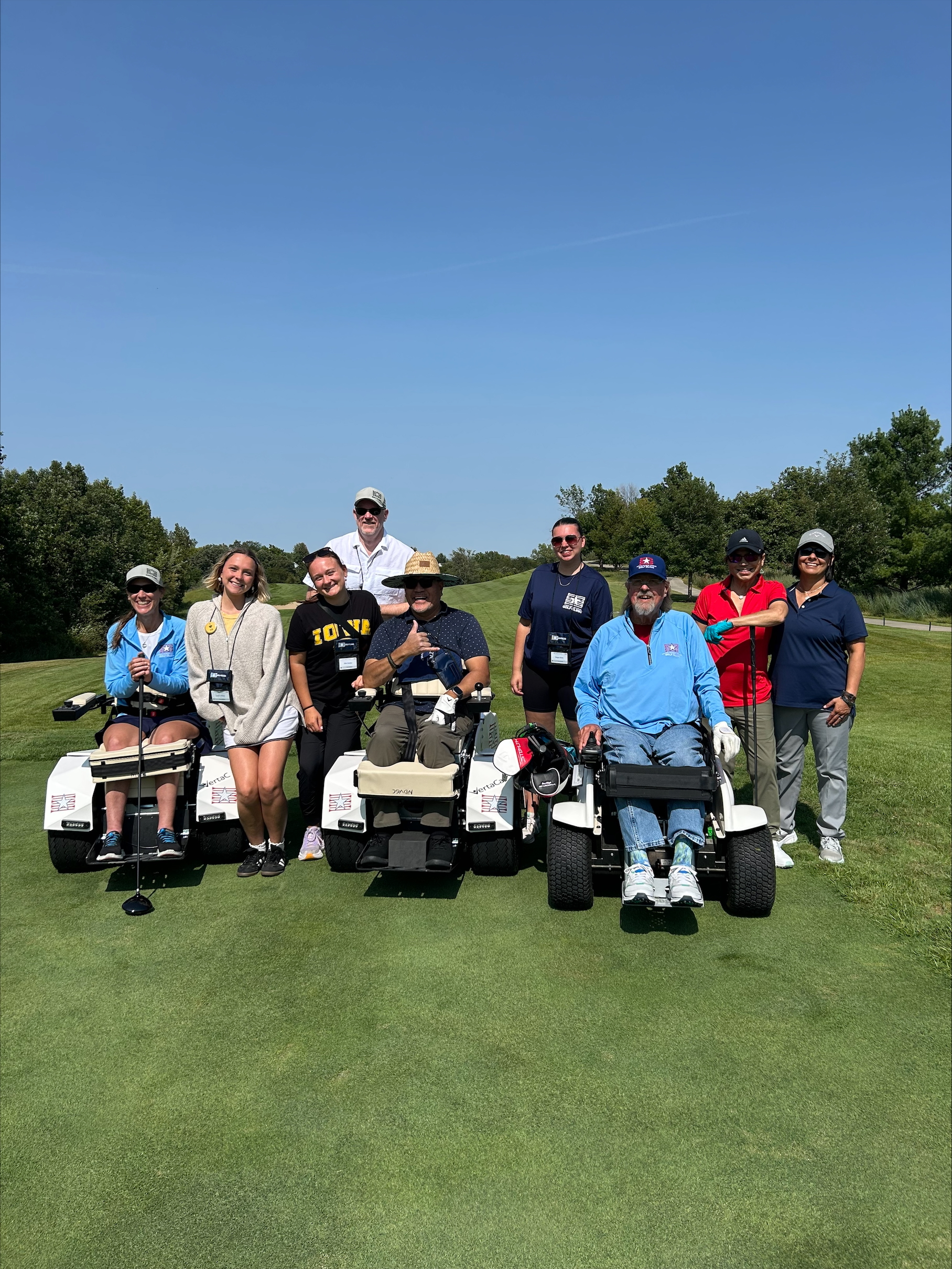
Led by faculty members Bri Swope, Kristina Gordon, and Gayle Dombroski in the Department of Health, Sport, and Human Physiology in the College of Liberal Arts and Sciences at the University of Iowa, the practicum course gave students a weeklong immersive experience working alongside veterans and certified therapeutic recreation specialists from across the country.
“The National Disabled Veterans Golf Clinic at the Riverside Casino and Golf Resort was a perfect opportunity for our students to gain real-world experience in the field of therapeutic recreation,” Gordon said. “This course allowed them to observe how professionals adapt leisure activities, ask questions in the field, and interact with their client base of disabled veterans.”
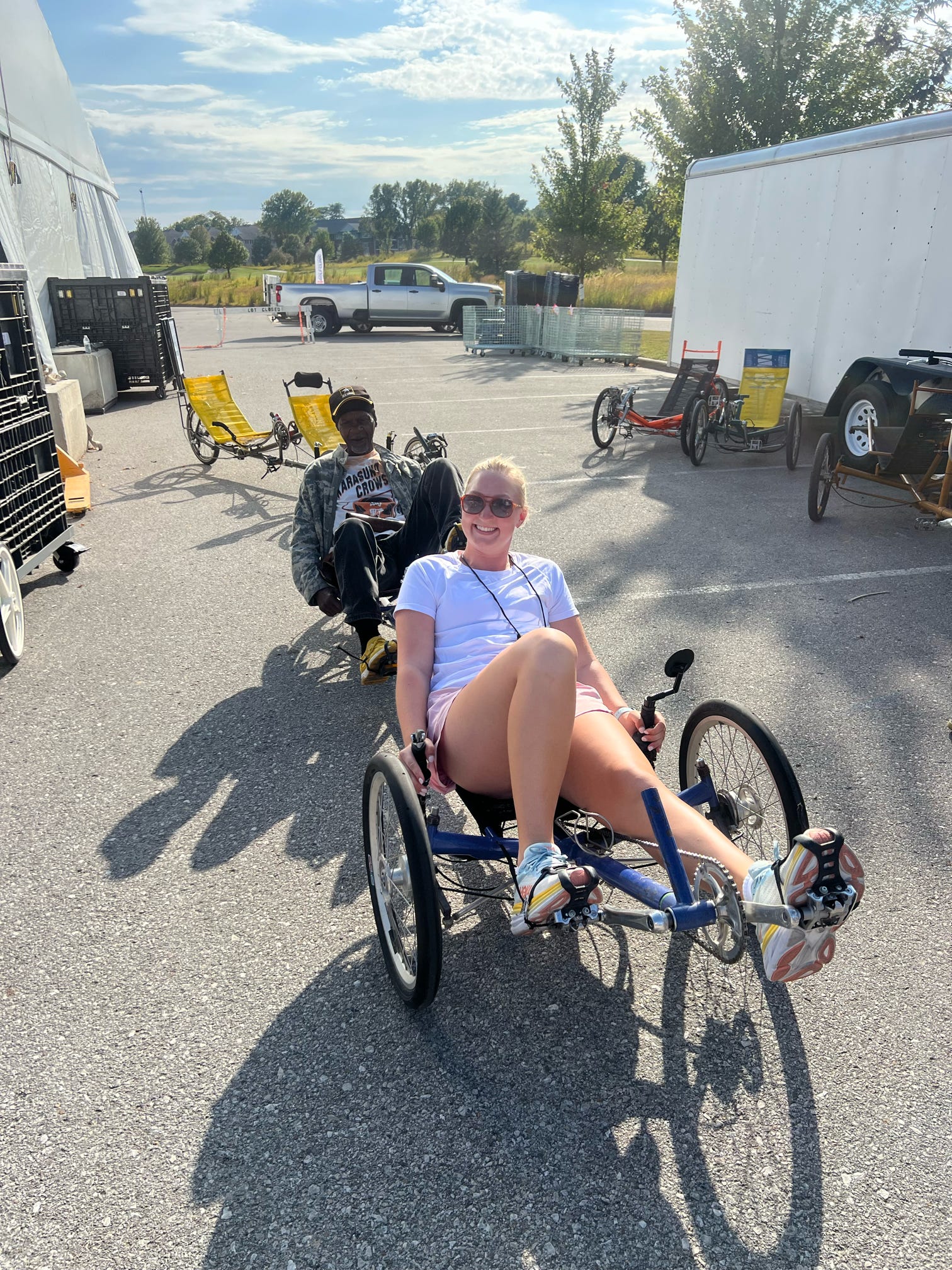
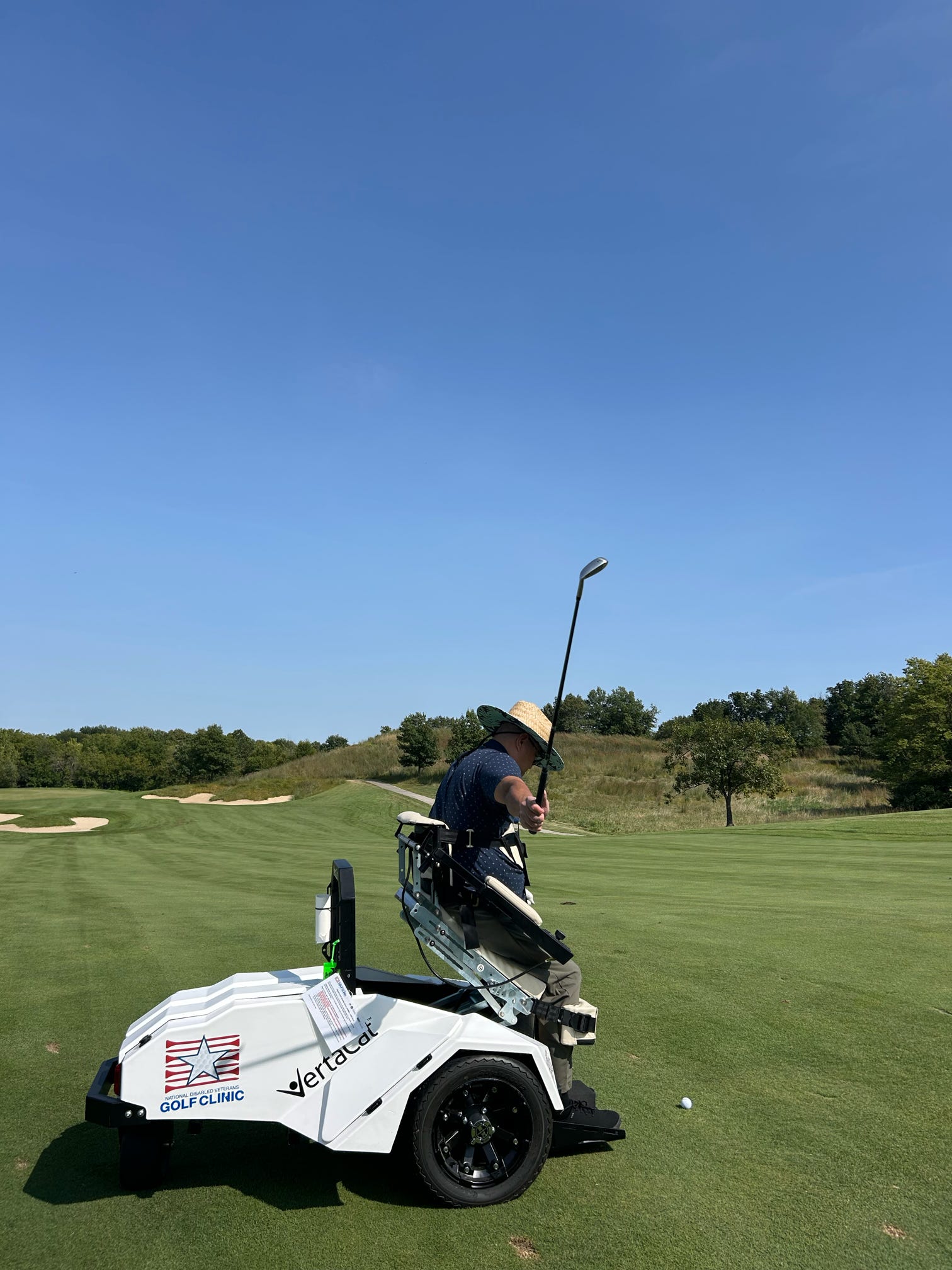
As part of the course, students helped register participants, fitted veterans for adaptive golf carts, and joined in activities such as kayaking, cycling, bowling, yoga, and goal ball, a Paralympic team sport designed for visually impaired athletes. They also observed new adaptive technologies, including 3D-printed prosthetics and specialized golf equipment.

The practicum’s learning objectives emphasized applying therapeutic recreation principles in practice, developing cultural competency, and evaluating the impact of adaptive activities on rehabilitation. Students also gained experience with Assess, Plan, Implement, Evaluate techniques, which is a process used in healthcare to guide decision making and ensure comprehensive patient care as they worked alongside professionals and engaged directly with veterans.
For many, the experience was transformative. “Our experience was far beyond any page in a textbook; it reinforced the importance of real-life opportunities to grow invaluable skills and connections,” said Addie Fjetland, a third-year nursing student and inclusive recreation minor.
Brooke Lantz, a physical therapist assistant at the Iowa City Veterans Health Services and golf clinic activity lead, said the collaboration was just as impactful for the veterans. “The TR students were great. They were willing to jump in wherever was needed,” Lantz said. “Their desire to learn was refreshing, and the veterans loved having them there.”
Swope added that taking classroom lessons into the field enhances both skill and confidence. “When we get to experience adaptive equipment hands-on and interact with veterans and professionals from across the country, that’s most meaningful and really enhances student learning,” she said.
The TR program plans to continue its partnership with the NDVGC, with the next clinic scheduled for Sept. 2026.